4 Exhaust Upgrades That Improve Powerstroke Fuel Efficiency
Estimated 0 min read
Upgrading your truck’s exhaust system can be one of the most impactful modifications for better efficiency and improved performance. Whether you’re towing heavy loads, navigating rugged terrain, or seeking a more enjoyable driving experience, an optimized exhaust system meets your needs. This guide provides an in-depth exploration of exhaust upgrades that improve Powerstroke efficiency.
The Basics of Powerstroke Exhaust Upgrades
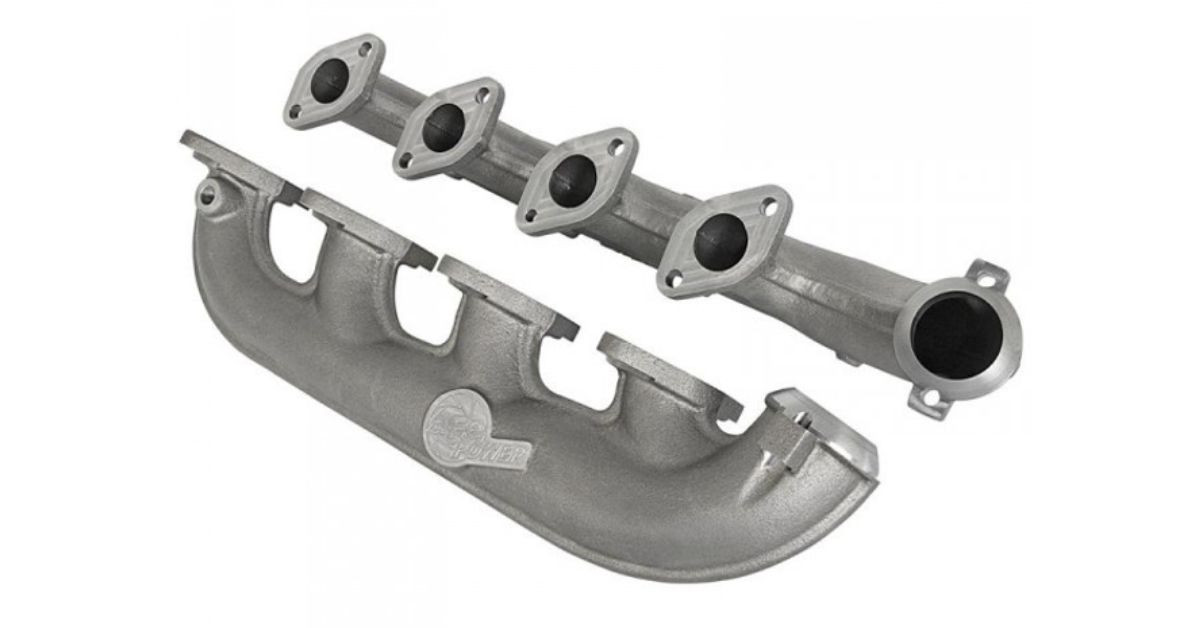
Before making modifications, it’s essential to understand what an exhaust upgrade entails. It involves replacing the factory-installed exhaust components with high-performance aftermarket parts. You can optimize exhaust pipes, mufflers, catalytic converters, and turbo-back systems. Each component serves a distinct purpose, which collectively improves the engine’s efficiency and functions.
Benefits of Upgrading Your Powerstroke Exhaust System
Upgrading your exhaust system offers multiple advantages that go far beyond improved aesthetics or a deeper sound. One of the primary benefits is enhanced horsepower and torque, achieved by improving the exhaust flow and reducing back pressure. This allows the Powerstroke engine to “breathe” more freely. Improved airflow also supports more efficient combustion, which can translate to better fuel economy over time.
#1 Straight Pipes and High-Flow Catalytic Converters
Straight piping is a popular modification for truck owners who prioritize performance and sound. Replacing the muffler and catalytic converter with a straight pipe eliminates restrictions in the exhaust flow.
Catalytic converters are essential for reducing emissions, but stock units can sometimes restrict the flow of exhaust gases. Upgrading to a high-flow catalytic converter solves this problem by creating a more efficient pathway for gases to pass through.
With a high-flow unit, you help your Powerstroke engine operate more efficiently, as it can expel waste gases faster and with less effort. This upgrade improves fuel economy, enhances throttle response, and keeps your vehicle compliant with emissions regulations.
While this method can dramatically increase horsepower, it’s important to consider emissions compliance and noise regulations in your area. For instance, installing a 6.0 Powerstroke straight pipe delivers extraordinary sound and performance gains but may not comply with local laws.
#2 Choosing a Turbo-Back or Cat-Back Exhaust System
When selecting an exhaust upgrade, think about what you value most. If you’re focused on performance, a turbo-back or cat-back system may deliver the best results. Instead of upgrading individual components, some people opt for a full turbo-back or cat-back exhaust system. These systems replace the entire exhaust pathway, from the turbocharger or catalytic converter all the way to the tailpipe.
Turbo-back systems are especially beneficial for turbocharged Powerstroke engines. They reduce backpressure at the turbo itself, allowing it to spool faster and operate more efficiently.
If fuel efficiency is your priority, consider exploring cat-back systems that keep emissions in check while optimizing air flow after the catalytic converter.
#3 Increasing Pipe Diameter
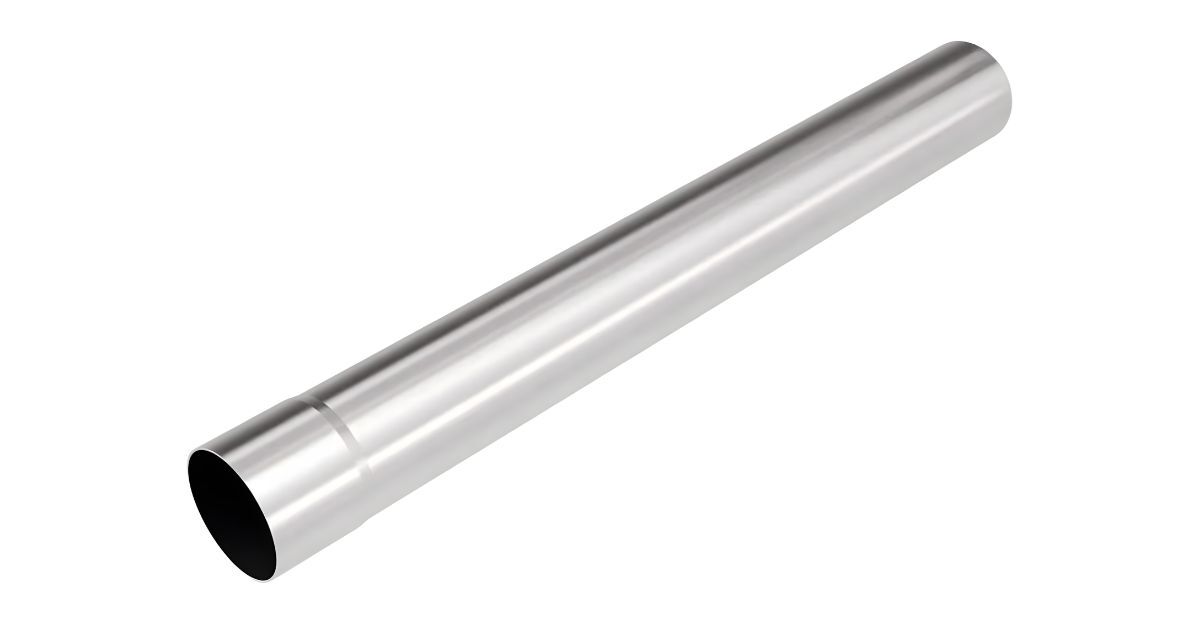
The diameter of the exhaust pipe plays a critical role in determining how efficiently air flows through the system. Stock exhaust systems typically feature narrower pipes designed to meet average performance standards and emission regulations. While these designs work for everyday driving, they can restrict airflow. This is especially common under heavy loads or high RPM, limiting the engine’s potential.
Upgrading to a larger pipe diameter with an aftermarket exhaust system allows exhaust gases to exit more freely, reducing back pressure and improving engine breathing. Powerstroke engines are built for power and heavy-duty performance, so this change can result in noticeable gains in horsepower, torque, and throttle response. Be sure to match the pipe diameter to the engine’s output and usage. Oversizing the pipe can actually hurt performance by reducing exhaust velocity.
#4 Materials Matter
The material of your exhaust system affects its lifespan, performance, and cost. Common materials include aluminum, stainless steel, and titanium. Aluminized steel is affordable and corrosion-resistant but lacks the durability of stainless steel. Stainless steel, on the other hand, offers excellent rust resistance and is ideal for Powerstroke trucks exposed to harsh weather or salty roads. For those seeking premium performance, titanium is a lightweight, corrosion-resistant, and highly durable material, although it comes at a premium price.
Maintenance Tips After Upgrading
Upgrading your Powerstroke’s exhaust system is a huge step toward better performance and fuel efficiency. Taking the right steps after installation is essential to make the most of your investment. Here are some tips to ensure your upgrades deliver long-term benefits.
Tune Your Engine for Maximum Performance
After installing the new exhaust system or components, tuning your engine is necessary to fully unlock its potential. Recalibrating fuel injection and turbo boost guarantees the engine works seamlessly with the upgraded system. Without tuning, you may not achieve the full performance and fuel efficiency benefits you’re aiming for. Many aftermarket exhaust systems include tuning recommendations or kits to help you get the best results.
Balancing Performance and Compliance
Exhaust upgrades can sometimes present challenges. Certain modifications may alter or bypass emissions-reducing components, potentially conflicting with environmental laws. To balance performance with compliance, focus on options that improve airflow while meeting emissions standards. Staying informed about local regulations and working with knowledgeable installers ensures you can enhance your truck’s capabilities while adhering to laws.
Keep Exhaust Gas Temperature (EGT) in Check
Managing exhaust gas temperatures is critical after installing an upgraded exhaust system. High EGTs can lead to wear and shorten the lifespan of components. Upgraded systems improve airflow, which reduces heat buildup. Lowering EGTs protects your Powerstroke, enhances fuel efficiency, and makes your investment pay off in the long run.
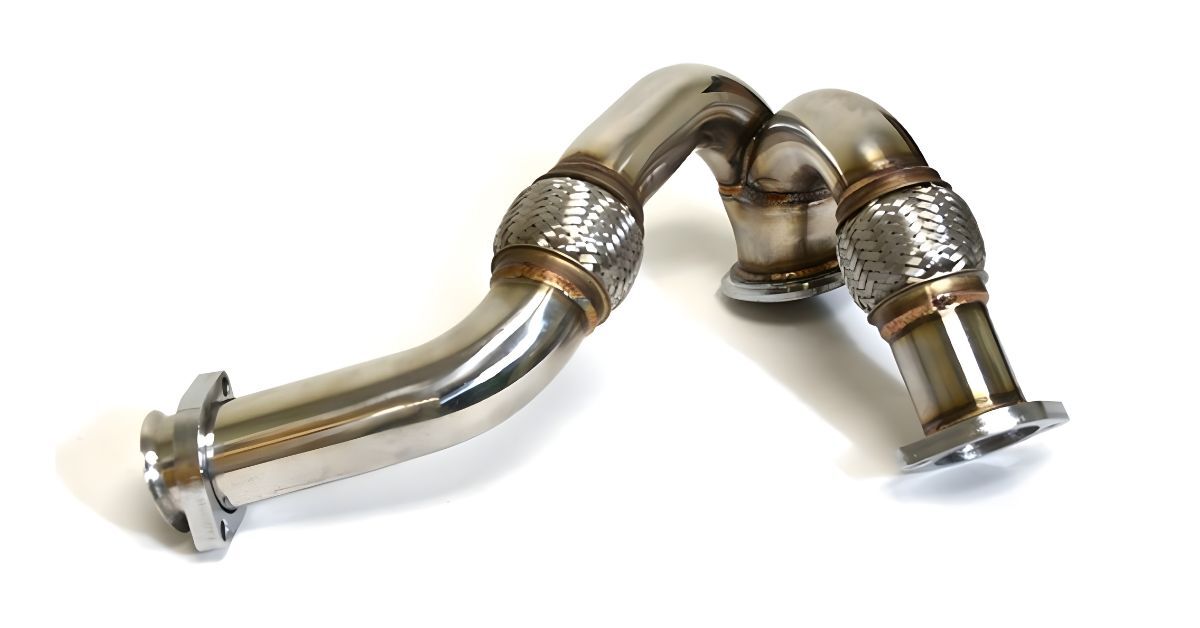
Exhaust Upgrades for Powerstroke Efficiency
Exhaust upgrades are crucial for Powerstroke owners seeking to improve fuel efficiency and performance. By understanding the components, benefits, and potential challenges of exhaust modifications, you can achieve your truck modding goals. Whether you prioritize increased horsepower, improved fuel economy, or lower exhaust gas temperatures, the right upgrade can transform your driving experience.
When selecting exhaust system mods, consider your budget, local regulations, and how you use your vehicle to get the best results. With careful planning and installation, you’ll boost your truck’s performance, prolong its lifespan, and make every mile more rewarding. Ready to upgrade? Shop high-quality, performance-tested exhaust systems at Blessed Performance, where reliability meets horsepower.